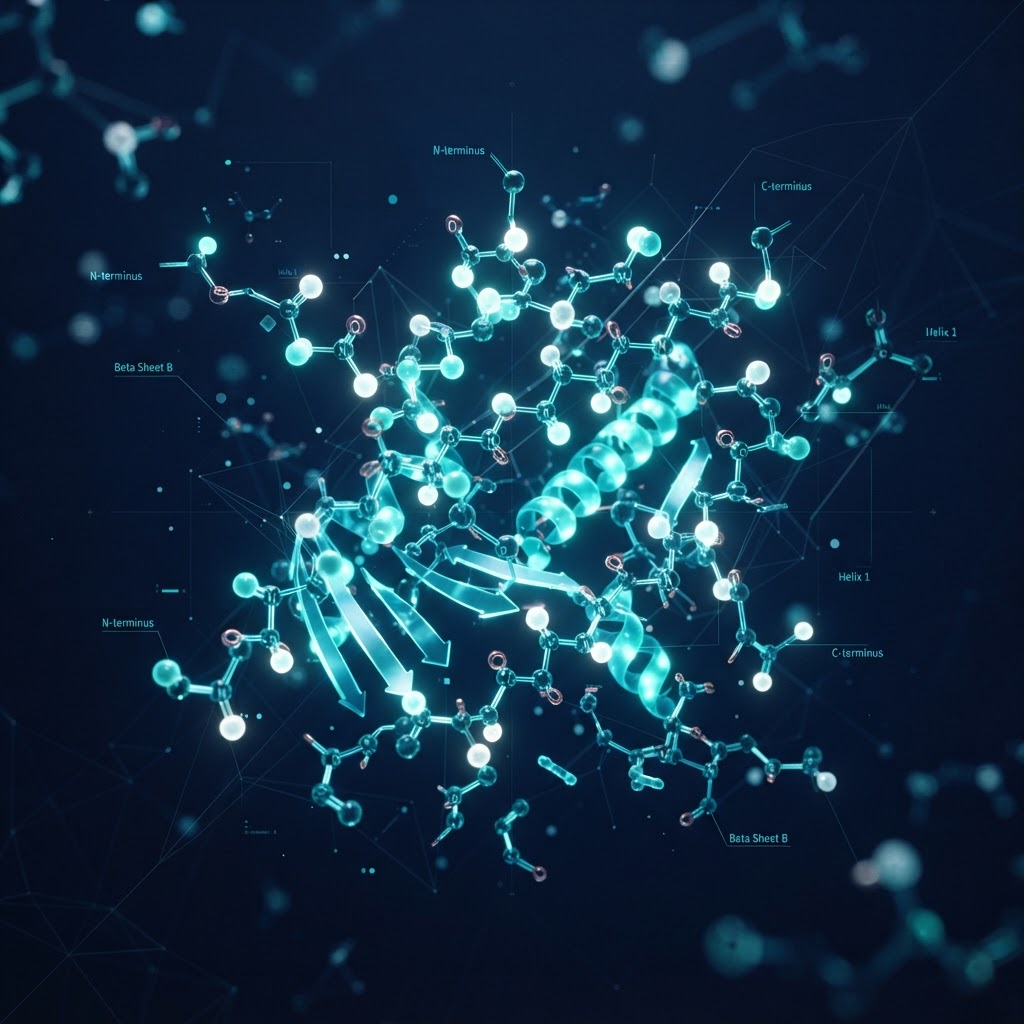
Understanding Peptide Mechanisms: From Discovery to Application
An educational overview of how peptides work at the molecular level and why understanding mechanisms matters for informed use.
Peptides are short chains of amino acids that act as biological messengers in the body. Understanding how they work — their mechanisms of action — is essential for anyone looking to explore peptide therapy with an informed perspective.
What Are Peptides?
Peptides are molecules made up of 2 to 50 amino acids linked by peptide bonds. They occur naturally in the body and play roles in everything from hormone regulation to tissue repair. Synthetic peptides are designed to mimic or enhance these natural processes.
How Do They Work?
Peptides exert their effects by binding to specific receptors on the surface of cells. This binding triggers a cascade of biological signals that can influence:
- Metabolism — Some peptides affect how the body processes glucose and stores fat.
- Tissue repair — Certain peptides promote the regeneration of damaged tissues.
- Hormone signalling — Others stimulate or regulate the release of hormones like growth hormone.
Why Mechanisms Matter
Understanding the mechanism behind a peptide helps you appreciate both its potential and its limitations. It moves the conversation from hearsay to evidence, and from speculation to informed decision-making.
At Peptide Dynamics, we are committed to making this kind of understanding accessible to everyone — because knowledge is the foundation of responsible exploration.